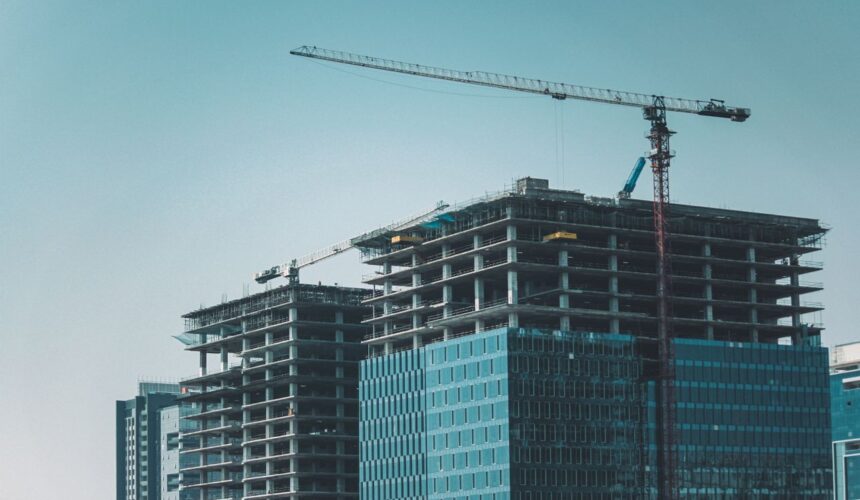
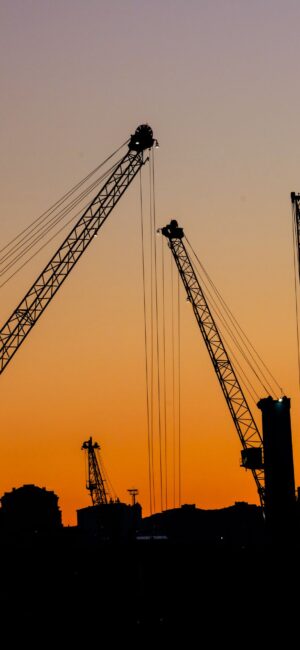
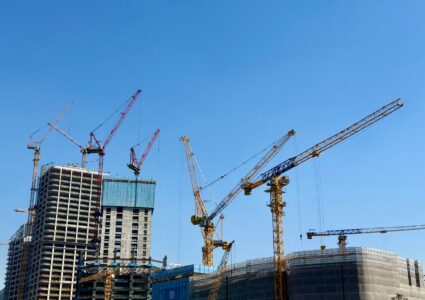
If you were anywhere near Dallas-Fort Worth in 2022, you probably noticed the cranes. They seemed to be everywhere — dotting the skyline from Uptown to Frisco, rising above sprawling industrial sites in southern Dallas County, and framing the future of North Texas.
And for good reason. The Dallas-Fort Worth metro area experienced a construction boom of historic proportions in 2022. Commercial building starts in the region totaled a staggering $16.7 billion — a 51% increase from 2021 levels and more than double the 2020 totals–. North Texas building activity grew at twice the national rate, reaching record highs–.
This article examines the forces behind the 2022 DFW construction boom, the sectors that drove it, and the challenges that accompanied this unprecedented growth.
A Market on Fire
The numbers from 2022 tell a remarkable story. The Dallas-Fort Worth area ranked second in the nation for total construction, trailing only New York City–. In the first half of the year alone, North Texas commercial building starts soared by more than 70%–.
Commercial and Multifamily Lead the Way
Commercial starts increased 52% in 2022, with nearly every sector contributing to the growth–. The only sector to decline was hospitality, as hotel construction continued to lag behind pre-pandemic levels–.
Multifamily construction was equally impressive. Dallas-Fort Worth led the nation in multifamily sales volume, reporting $18 billion in 2022–. Developers delivered nearly 6,700 units through May and had another 47,011 apartments under construction — the largest pipeline in the country–.
Industrial Construction Reaches Unprecedented Levels
Perhaps no sector was more explosive than industrial construction. By the end of 2022, Dallas-Fort Worth had over 83 million square feet of industrial space under construction–. For perspective, the region averaged just 16.7 million square feet under construction per quarter since 2000–.
The industrial construction pipeline grew to almost 67 million square feet — equivalent to about 22 AT&T Stadiums–. Southern Dallas County led the way, with more than 20 million square feet of new warehouse buildings in the development pipeline–.
In the fourth quarter of 2022 alone, the market added 6.5 million square feet of new industrial space, bringing the yearly total to 38.1 million square feet of deliveries–
What Drove the Boom?
Several factors converged to create the perfect conditions for the 2022 construction surge.
E-Commerce and Logistics Demand
The rise of e-commerce continued to reshape the industrial landscape. With online shopping becoming the norm, demand for warehouse and distribution space skyrocketed. So far in 2022, Cushman & Wakefield tracked more than 22.5 million square feet of D-FW warehouse leases–.
The region’s central location, excellent transportation infrastructure, and business-friendly environment made it an ideal hub for logistics operations. Consequently, developers rushed to meet the demand.
Population Growth
The Dallas-Fort Worth metro area continued to attract new residents at a rapid pace. This population growth drove demand for housing, retail, office, and industrial space. Furthermore, the influx of businesses relocating to Texas added to the construction activity.
Business-Friendly Environment
Texas’s favorable tax environment and regulatory climate attracted businesses from across the country. Additionally, the state’s pro-business reputation encouraged developers to invest in large-scale projects.
Pandemic Recovery
After the disruptions of 2020 and 2021, many projects that had been delayed moved forward in 2022. Furthermore, federal stimulus and low interest rates early in the year provided favorable financing conditions.
Major Projects Shaping the Skyline
Several high-profile projects defined the 2022 construction landscape in Dallas-Fort Worth.
Goldman Sachs Tower
One of the most anticipated projects was the planned Goldman Sachs office tower near downtown Dallas. The massive high-rise would kick off construction of Hunt Realty’s 11-acre North End development–. The project was planned to include offices with as many as 80 floors, plus residential and hotel towers–.
Frisco’s $500 Million High-Rise Complex
Developer Hall Group topped out construction on its new $500 million high-rise complex in Frisco–. The three-tower development totaled about 1 million square feet and was located in the Hall Park mixed-use project–.
23Springs Office Tower
Granite Properties secured a $265 million loan and commenced construction on the 26-story, 626,215-square-foot 23Springs office tower in June 2022–. The amenity-rich project included two separate restaurant buildings and a half-acre park–.
The Quadrangle Redevelopment
Stream Realty Partners began a $100 million redevelopment of Uptown’s Quadrangle development, including a new 12-story office tower with 335,000 square feet of office space and 15,000 square feet of patio-friendly restaurant space–.
The Epic
One of the largest projects to come online by the end of 2022 was the second tower of The Epic, an 8-acre mixed-use development in downtown Dallas–
The Labor Challenge
Despite the boom, the construction industry faced significant challenges in 2022. Chief among them was the labor shortage.
Growing Employment
Despite the challenges, Dallas-Fort Worth added 9,200 new construction jobs in 2022–. The Dallas side of the metro area accounted for a total of 234,700 construction jobs, second only to New York City–.
A Persistent Shortage
However, demand for workers far outpaced supply. Nationwide, the construction industry faced a shortage of about 650,000 workers in 2022–. The Associated General Contractors of America reported that construction employment fell in 61 metro areas and was unchanged in another 51 between June 2021 and June 2022–.
The Impact on Projects
Labor shortages had significant consequences. Contractors struggled to find skilled workers for projects. Wage growth remained robust amid the tight labor market–. Additionally, some contacts noted that labor shortages increased workloads for existing staff, resulting in retention issues–.
Material Costs and Supply Chain Woes
Material costs and supply chain disruptions added to the challenges facing contractors in 2022.
Rising Costs
Construction input prices remained significantly elevated compared to pre-pandemic levels. Overall, construction input prices were 37.9% higher than three years earlier–. Iron and steel were 55.9% higher than in February 2020, while concrete costs were 27.9% higher–.
Supply Chain Disruptions
Supply chain issues continued to plague the industry. Lead times remained extremely long for major electrical components such as switchgear and transformers–. Some contractors reported problems obtaining parts for elevators and air-handling equipment–.
The Industrial Impact
The industrial sector was particularly affected by extended timelines due to supply chain issues and increased demand–. Despite the challenges, the Dallas-Fort Worth industrial market continued to lead the nation in construction activity for a third consecutive quarter–
Retail Construction: A Different Story
Not all sectors shared in the boom equally. Retail construction in Dallas-Fort Worth hit an all-time low in 2022, despite record occupancy–.
Demand vs. Supply
Absorption, the sector’s go-to indicator for demand, totaled 1.7 million square feet in 2022–. Over the previous two years, 6 million square feet of retail space had been absorbed–.
Rising Costs Hamper Delivery
Rising construction costs made new retail projects less viable. Consequently, developers focused on renovating existing properties rather than building new ones. The retail sector’s struggles highlighted the uneven nature of the 2022 construction boom.
Looking Ahead
As 2022 came to a close, the question on everyone’s mind was: could the boom continue? The answer was uncertain.
A Peak in Sight
Some analysts expected the market to peak in 2023 before leveling off–. Pandemic-related projects were finally finishing up, and rising interest rates were beginning to impact financing.
Continued Strength in Industrial
However, the industrial sector showed no signs of slowing. The nation’s largest pipeline of industrial space was surging in Texas–. New supply was rising nearly 25% year-over-year in the third quarter of 2022–.
A Pause, Not a Stop
While 2023 would see a slowdown — new construction starts in Dallas-Fort Worth fell more than 14%– — the region was coming off a massive year of construction activity–. The 2022 boom had fundamentally reshaped the Dallas-Fort Worth landscape.
How CLOSW Construction Navigated the 2022 Market
CLOSW Construction successfully navigated the challenges and opportunities of the 2022 Dallas-Fort Worth construction boom. Our experience in commercial, industrial, and retail construction positioned us to serve clients across multiple sectors.
Proactive Material Procurement
We monitored material markets closely and advised clients on optimal procurement timing. Early identification of long-lead items helped avoid project delays.
Skilled Workforce
CLOSW Construction invested in training and retention to maintain a skilled workforce. We prioritized safety and quality to attract and retain the best talent.
Strong Supplier Relationships
Our established relationships with suppliers provided advantages in pricing, priority access, and problem-solving during supply chain disruptions.
Diversified Expertise
CLOSW Construction served multiple sectors, providing stability in an uneven market. When retail construction slowed, industrial and commercial projects remained strong.
Ready to Start Your Dallas-Fort Worth Project?
The 2022 Dallas-Fort Worth construction boom demonstrated the region’s resilience and potential. While the market has evolved since then, North Texas remains one of the nation’s most dynamic construction markets.
Contact CLOSW Construction today for a free, no-obligation consultation. Let us help you navigate the Dallas-Fort Worth construction landscape.