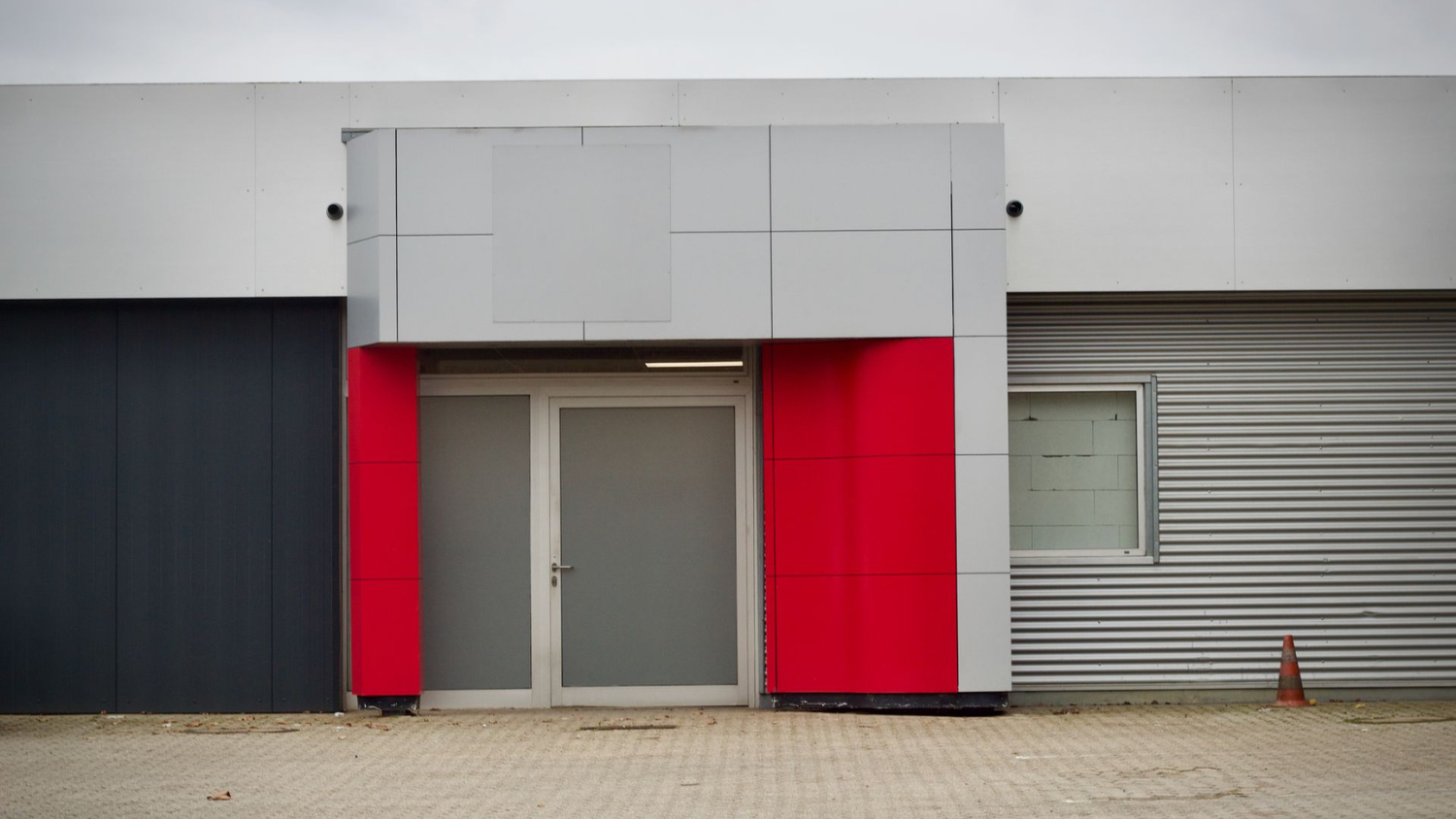

Cold storage warehouses are among the most complex commercial construction projects. Unlike standard warehouses, these facilities must maintain precise temperatures, handle heavy refrigeration loads, and meet strict food safety or pharmaceutical standards. Consequently, careful planning is essential.
Building a cold storage warehouse requires specialized expertise. Every decision from insulation to refrigeration system selection affects operational costs and product integrity. To help you plan, here are five critical considerations for your cold storage project.
1. Insulation and Building Envelope
The building envelope is the most important element of any cold storage facility. Proper insulation keeps cold air in and warm air out. Moreover, it reduces energy consumption and prevents costly temperature fluctuations.
High-performance insulated metal panels are the industry standard. These panels provide exceptional thermal performance with minimal energy input. Furthermore, the floor requires specialized insulation to prevent frost heave, which can damage the building foundation.
Key Considerations:
- High-quality insulated metal panels
- Specialized floor insulation
- Vapor barriers to prevent moisture intrusion
- Proper sealing at all joints and penetrations
2. Refrigeration System Selection
The building envelope is the most important element of any cold storage facility. Proper insulation keeps cold air in and warm air out. Moreover, it reduces energy consumption and prevents costly temperature fluctuations.
High-performance insulated metal panels are the industry standard. These panels provide exceptional thermal performance with minimal energy input. Furthermore, the floor requires specialized insulation to prevent frost heave, which can damage the building foundation.
Key Considerations:
- High-quality insulated metal panels
- Specialized floor insulation
- Vapor barriers to prevent moisture intrusion
- Proper sealing at all joints and penetrations

3. Layout for Operational Efficiency
Cold storage facilities : require thoughtful layout planning. Product flow, worker safety, and temperature zones all influence the design. Separate freezer, cooler, and dry storage areas allow for different temperature requirements.
Furthermore, rapid roll-up doors at loading docks minimize temperature loss during truck loading and unloading. Dedicated staging areas and blast freezing capabilities further enhance operational efficiency.
Key Considerations:
- Separate temperature zones
- Rapid roll-up doors
- Dedicated staging and blast freezing areas
- Efficient product flow paths
4. Energy Efficiency and Sustainability
Refrigeration consumes significant energy. Consequently, energy efficiency is a top priority for cold storage facilities. High-efficiency evaporators, variable frequency drives, and advanced building management systems optimize energy consumption.
Additionally, LED lighting with motion sensors reduces electricity usage in low-traffic areas. Solar-ready roofing systems can further reduce operating costs and environmental impact. Ultimately, energy-efficient design saves money and supports sustainability goals.
Key Considerations:
- High-efficiency evaporators
- Variable frequency drives
- LED lighting with motion sensors
- Solar-ready roofing
- Advanced building management systems
5. Cold Chain Logistics Integration
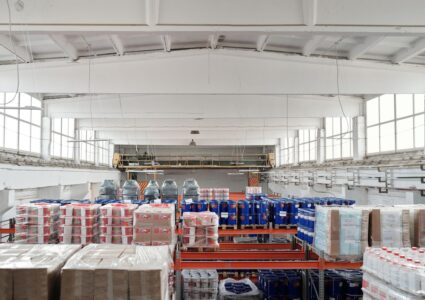
Cold storage warehouses are part of a larger supply chain. Consequently, the facility must integrate seamlessly with transportation, distribution, and inventory systems. Dock height, truck court design, and staging areas all affect logistics efficiency.
Furthermore, temperature integrity extends throughout the cold chain. Real-time temperature monitoring ensures products remain safe from arrival to shipment. Warehouse management systems integrated with client inventory systems enable real-time tracking and seamless order fulfillment.
Key Considerations:
- Dock height and truck court design
- Real-time temperature monitoring
- Integrated warehouse management systems
- Efficient staging and loading areas
CLOSW Construction’s Cold Storage Expertise
Cold storage warehouses are part of a larger supply chain. Consequently, the facility must integrate seamlessly with transportation, distribution, and inventory systems. Dock height, truck court design, and staging areas all affect logistics efficiency.
Furthermore, temperature integrity extends throughout the cold chain. Real-time temperature monitoring ensures products remain safe from arrival to shipment. Warehouse management systems integrated with client inventory systems enable real-time tracking and seamless order fulfillment.
Key Considerations:
- Dock height and truck court design
- Real-time temperature monitoring
- Integrated warehouse management systems
- Efficient staging and loading areas