
The construction industry has long been known for its traditional, hands-on approach. However, that is changing rapidly. Technology is transforming every aspect of construction, from design and planning to project management and safety.
Drones, Building Information Modeling (BIM), and digital project management tools are becoming standard on modern jobsites. These technologies improve efficiency, reduce errors, and enhance safety. Consequently, contractors who embrace technology gain a competitive advantage.
This guide explores the key construction technologies shaping the industry. Understanding these tools helps project owners make informed decisions and choose the right partners.
Drones and Reality Capture
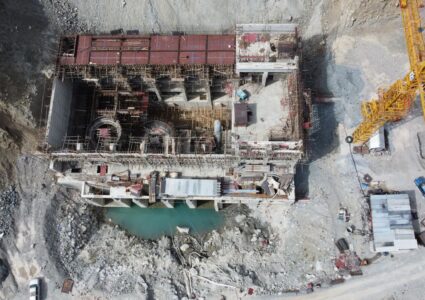
Drones have become essential tools on construction sites. These unmanned aerial vehicles capture data quickly, safely, and accurately. Furthermore, they provide valuable insights that traditional methods cannot match.
Site Surveying and Mapping
Drones perform site surveys in a fraction of the time traditional methods require. They capture high-resolution images and create detailed topographic maps. Consequently, project teams have accurate data from the earliest planning stages.
Progress Monitoring
Regular drone flights document project progress. Images and videos provide visual records of construction activity. Project managers can compare actual progress to schedules and identify delays early.
Safety Inspections
Drones inspect hard-to-reach areas safely. Roofs, tall structures, and hazardous zones can be examined without putting workers at risk. Furthermore, drones identify potential safety issues before they become problems.
Volumetric Measurements
Drones calculate stockpile volumes and earthwork quantities accurately. This improves estimating and material management. Moreover, it reduces disputes over quantities.
Building Information Modeling (BIM)
BIM is revolutionizing how buildings are designed, constructed, and operated. This digital representation of physical and functional characteristics improves collaboration and reduces errors.
What Is BIM?
BIM creates a 3D digital model of a building. This model contains detailed information about every component. Furthermore, it includes data on materials, systems, and performance.
Improved Collaboration
BIM enables better collaboration among project stakeholders. Architects, engineers, and contractors work from a single, shared model. Consequently, coordination issues are identified and resolved early.
Clash Detection
BIM identifies conflicts between building systems before construction begins. Structural, mechanical, and electrical clashes are detected digitally. As a result, costly rework is minimized.
Quantity Takeoffs and Estimating
BIM generates accurate quantity takeoffs automatically. Material quantities are extracted from the model. Consequently, estimates are more accurate and reliable.
Facility Management
BIM models are valuable for facility management. Building owners access detailed information about systems and components. This simplifies maintenance and renovations.
nnovation. They’re passionate about creating impactful conversations that spark new ideas and inspire action. From improving infrastructure in low-resource settings to building stronger healthcare workforces, we delve into the systemic issues and creative solutions that can improve global health outcomes.
Digital Project Management Tools
Digital tools are transforming project management. Cloud-based platforms provide real-time visibility and improve communication.
Real-Time Collaboration
Project teams collaborate from anywhere using cloud-based platforms. Documents, schedules, and updates are accessible to all stakeholders. Furthermore, communication is streamlined and transparent.
Schedule Management
Digital scheduling tools improve accuracy and visibility. Critical path analysis identifies potential delays. Moreover, real-time updates keep everyone informed of schedule changes.
Document Control
Digital document management reduces errors and improves efficiency. Plans, specifications, and submittals are accessible from any device. Furthermore, version control prevents confusion.
Field Reporting
Mobile apps enable field reporting and inspections. Issues are documented with photos and notes. Consequently, problems are addressed quickly and efficiently.
Wearable Technology and IoT
Wearable devices and IoT sensors are improving safety and productivity on construction sites. These technologies provide real-time data and alerts.
Smart PPE
Hard hats and vests with sensors monitor worker location and health. Alerts are triggered if workers enter hazardous areas. Furthermore, biometric data identifies potential health issues.
Equipment Monitoring
IoT sensors monitor equipment performance and maintenance needs. Real-time data identifies potential failures before they occur. Consequently, downtime is minimized and productivity is improved.
Environmental Monitoring
Sensors monitor temperature, humidity, and air quality. Workers are alerted to unsafe conditions. Additionally, data is used to optimize working conditions.
3D Printing and Prefabrication
3D printing and prefabrication are changing how buildings are constructed. These methods improve quality, reduce waste, and accelerate schedules.
3D Printing
3D printing creates building components with precision and speed. Complex shapes are produced with minimal waste. Furthermore, on-site printing reduces transportation costs.
Prefabrication
Prefabrication builds components off-site in controlled conditions. Quality is improved and waste is reduced. Moreover, on-site construction time is significantly shortened.
Modular Construction
Modular construction assembles entire building sections off-site. Modules are transported and installed quickly. Consequently, project timelines are dramatically reduced.
Artificial Intelligence and Machine Learning
Artificial intelligence is beginning to impact construction. AI applications improve planning, safety, and productivity.
Predictive Analytics
AI analyzes historical data to predict project outcomes. Schedule and cost risks are identified early. Consequently, proactive measures prevent problems.
Image Recognition
AI analyzes images to identify safety hazards and quality issues. Problems are detected before they escalate. Moreover, compliance is verified automatically.
Autonomous Equipment
AI enables autonomous construction equipment. Excavators, dozers, and other machines operate with minimal human intervention. Consequently, productivity is improved and safety risks are reduced.
The Benefits of Construction Technology
Construction technology delivers significant benefits across all project phases. These advantages make technology adoption a smart investment.
Improved Efficiency
Technology reduces manual tasks and streamlines workflows. Time is saved and productivity is improved. Furthermore, resources are used more effectively.
Reduced Errors
Digital tools minimize human error. Plans are accurate and coordinated. Consequently, rework and delays are reduced.
Enhanced Safety
Technology improves safety through monitoring and automation. Hazards are identified and mitigated. Moreover, workers are protected from dangerous conditions.
Better Communication
Digital tools improve communication among stakeholders. Information is shared in real time. Consequently, decisions are made more quickly and effectively.
Cost Savings
Technology reduces costs through efficiency and waste reduction. Fewer errors mean less rework. Additionally, improved scheduling reduces delays.
Challenges of Technology Adoption
Despite its benefits, technology adoption faces challenges. Understanding these challenges helps overcome them.
Cost of Implementation
Technology requires investment in hardware, software, and training. Smaller contractors may struggle with upfront costs. However, long-term benefits typically outweigh initial expenses.
Training and Skills
Workers need training to use new technologies effectively. Resistance to change is common. Consequently, ongoing training and support are essential.
Integration with Existing Processes
New technologies must integrate with existing workflows. Poor integration reduces effectiveness. Consequently, careful planning is required.
Data Security
Digital tools create data security risks. Sensitive project information must be protected. Moreover, cybersecurity measures are essential.
How CLOSW Construction Embraces Technology
CLOSW Construction leverages technology to deliver better results. Our team continuously evaluates and adopts new tools.
Drone Integration
We use drones for site surveying, progress monitoring, and inspections. This provides accurate data and improves safety. Consequently, projects are better managed.
BIM Expertise
Our team uses BIM for design coordination and clash detection. This reduces errors and improves collaboration. Furthermore, BIM models support facility management.
Digital Project Management
CLOSW Construction uses cloud-based project management tools. Real-time visibility keeps clients informed. Additionally, communication is streamlined and transparent.
Commitment to Innovation
We continuously evaluate emerging technologies. Our team stays current with industry trends. Consequently, we deliver projects using the best available tools.
Ready to Start Your Commercial Construction Project?
Technology is transforming construction. CLOSW Construction embraces innovation to deliver better results. Contact us today to learn how technology benefits your project.