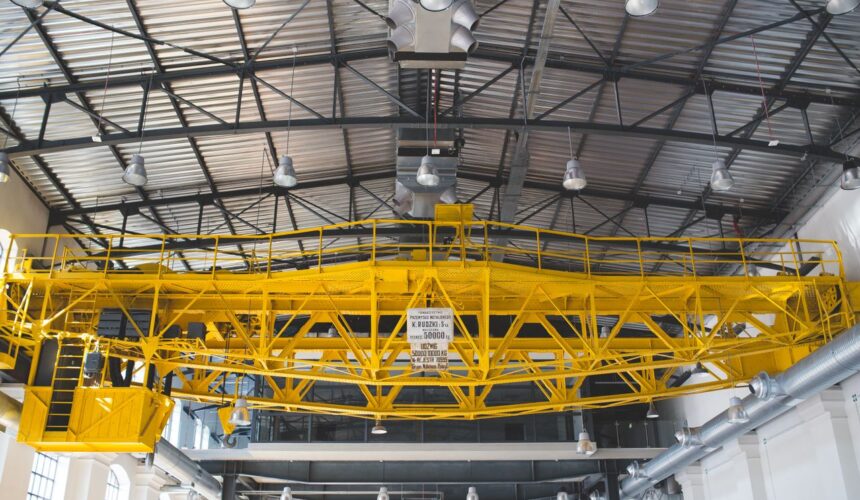
The industrial construction sector is evolving rapidly. New technologies, sustainability requirements, and changing business needs are reshaping how facilities are designed and built. Furthermore, staying ahead of these trends helps you make informed decisions for your next project.
Industrial construction includes warehouses, distribution centers, manufacturing plants, and cold storage facilities. Consequently, understanding emerging trends is essential for business owners, developers, and facility managers.
This guide explores the top industrial construction trends to watch. From automation to sustainability, these trends are shaping the future of industrial facilities.
1. Automation and Robotics Integration
Automation is transforming industrial facilities. Warehouses and manufacturing plants are increasingly incorporating automated systems. Furthermore, robotics and conveyors are becoming standard features in modern industrial buildings.
Automated Storage and Retrieval Systems (AS/RS)
AS/RS systems are revolutionizing warehouse operations. These automated systems retrieve and store products with minimal human intervention. Consequently, they increase efficiency and reduce labor costs.
New industrial facilities are designed to accommodate AS/RS systems. This requires precise floor tolerances, specialized racking support, and advanced electrical infrastructure. Furthermore, ceiling heights of 40 feet or more are increasingly common to maximize vertical storage capacity.
Robotics and Collaborative Robots (Cobots)
Robotics are becoming more accessible and affordable. Collaborative robots, or cobots, work alongside human employees. Consequently, they handle repetitive tasks while workers focus on more complex activities.
The integration of robotics requires careful planning during the design phase. For instance, floor loads, power requirements, and safety zones must be considered early. Additionally, flexible layouts allow for future robotic additions as technology evolves.
Conveyor Systems and Sortation Technology
Conveyor systems are essential for modern distribution centers. These systems move products efficiently through the facility. Furthermore, advanced sortation technology directs items to the correct shipping lanes.
New facilities are designed with conveyor integration in mind. For example, elevated conveyor supports, power drops, and maintenance access are incorporated during construction. Consequently, retrofitting is minimized and operational efficiency is maximized.
Drones and Automated Guided Vehicles (AGVs)
Drones and AGVs are becoming common in industrial facilities. Drones perform inventory counts and inspections. Meanwhile, AGVs transport materials throughout the facility.
These technologies require specific infrastructure considerations. For instance, clear pathways, charging stations, and navigation markers must be planned. Additionally, building designs must accommodate drone navigation and landing zones.
2. Sustainable and Energy-Efficient Design
Sustainability is no longer optional in industrial construction. Building owners and tenants increasingly demand energy-efficient facilities. Furthermore, sustainable design reduces operating costs and environmental impact.
Net Zero Energy Buildings
Net zero energy buildings generate as much energy as they consume. This is achieved through solar panels, energy-efficient systems, and advanced building envelopes. Consequently, operating costs are significantly reduced.
New industrial facilities are designed with net zero capabilities. For instance, solar-ready roofs are installed during construction. Additionally, energy-efficient HVAC and lighting systems are standard.
Green Building Certifications
LEED, BREEAM, and other green certifications are increasingly important. These certifications demonstrate environmental responsibility. Furthermore, certified buildings often command higher rents and attract quality tenants.
CLOSW Construction designs buildings to meet green certification standards. For example, sustainable materials, efficient systems, and indoor environmental quality are prioritized. Consequently, our facilities meet the highest environmental standards.
Energy-Efficient Lighting and HVAC
Lighting and HVAC account for significant energy consumption. Consequently, energy-efficient systems are essential. LED lighting with motion sensors reduces electricity usage in low-traffic areas.
HVAC systems with variable frequency drives optimize energy consumption. Additionally, demand-controlled ventilation adjusts airflow based on occupancy. As a result, energy costs are significantly reduced.
Water Conservation Systems
Water conservation is increasingly important. Industrial facilities can reduce water usage through efficient fixtures and systems. Furthermore, rainwater harvesting and greywater recycling are gaining popularity.
Water conservation strategies include low-flow fixtures, water-efficient landscaping, and cooling tower optimization. Consequently, facilities reduce their environmental impact and operating costs. Additionally, water conservation demonstrates corporate responsibility.
Sustainable Building Materials
Sustainable materials are becoming more available and affordable. For instance, recycled steel, sustainable concrete, and low-VOC materials are standard in modern industrial construction. Furthermore, these materials reduce environmental impact and improve indoor air quality.
Sustainable materials also support green building certifications. Additionally, they contribute to occupant health and comfort. Consequently, sustainable design creates better working environments.
Waste Reduction and Construction Recycling
Construction waste is a significant environmental concern. CLOSW Construction implements waste reduction strategies and recycles construction debris. Furthermore, we source materials from sustainable suppliers.
Waste reduction includes careful material planning and recycling programs. Consequently, less waste ends up in landfills. Additionally, sustainable sourcing reduces the carbon footprint of construction.
3. Design Flexibility and Scalability
Industrial facilities must adapt to changing business needs. Furthermore, tenants may require different configurations over time. Consequently, flexible design is becoming increasingly important.
Modular Design
Modular design allows for easy reconfiguration. Walls, utilities, and systems can be moved or modified as needs change. Furthermore, modular construction speeds up project delivery.
Modular components can be manufactured off-site and assembled quickly. Consequently, quality control is improved and on-site labor is reduced. Additionally, modular design facilitates future expansions and modifications.
Scalable Infrastructure
Scalable infrastructure accommodates future growth. For instance, electrical and data systems are designed with excess capacity. Furthermore, structural designs support vertical expansion or building additions.
Scalable infrastructure allows businesses to grow without major renovations. Consequently, long-term costs are reduced and operational disruptions are minimized. Additionally, scalable facilities attract quality tenants who value future flexibility.
Multi-Tenant Capabilities
Industrial parks and multi-tenant facilities are increasingly popular. These facilities accommodate multiple businesses with different needs. Furthermore, shared amenities reduce costs and improve operational efficiency.
Multi-tenant facilities require careful design to meet diverse requirements. For example, separate entrances, independent utilities, and flexible layouts are essential. Consequently, these properties achieve higher occupancy rates and stable income streams.
4. Advanced Building Materials and Methods
New materials and construction methods are improving industrial facilities. Furthermore, these innovations enhance durability, reduce costs, and accelerate schedules.
High-Performance Concrete
High-performance concrete offers superior strength and durability. Furthermore, it resists cracking, wear, and chemical exposure. Consequently, it is ideal for industrial floors and foundations.
High-performance concrete reduces maintenance costs and extends service life. Additionally, it supports heavy loads and withstands heavy traffic. Consequently, it is the preferred choice for industrial facilities.
Insulated Metal Panels
Insulated metal panels are commonly used in cold storage and industrial buildings. These panels provide exceptional thermal performance with minimal energy input. Furthermore, they are easy to install and maintain.
Insulated metal panels are available in various thicknesses and finishes. Consequently, they meet specific thermal and aesthetic requirements. Additionally, they are durable and resistant to weather and pests.
Tilt-Up Concrete Construction
Tilt-up concrete construction offers significant advantages for industrial buildings. It is fast, durable, and cost-effective. Furthermore, it provides excellent fire resistance and thermal performance.
Tilt-up panels are cast on-site and tilted into place. Consequently, construction is faster and more efficient than traditional methods. Additionally, panels can be textured and colored for aesthetic appeal.
Cross-Laminated Timber (CLT)
Cross-laminated timber is an emerging sustainable material. It offers strength, durability, and environmental benefits. Furthermore, CLT reduces carbon footprint compared to steel or concrete.
CLT is gaining popularity in industrial construction. However, it requires specialized design and construction expertise. Consequently, CLOSW Construction ensures proper engineering and installation.
5. Cold Chain Infrastructure Growth
The cold chain logistics sector is growing rapidly. Cold storage and temperature-controlled facilities are in high demand. Furthermore, e-commerce and food delivery are driving this growth.
Last-Mile Cold Storage
Last-mile cold storage facilities are strategically located near urban areas. These facilities support rapid delivery of fresh food and pharmaceuticals. Consequently, they are smaller but highly specialized.
Last-mile cold storage requires specific design considerations. For example, smaller lots, dense urban areas, and multi-level layouts are common. Additionally, advanced refrigeration and backup systems ensure reliability.
Pharmaceutical Cold Storage
Pharmaceutical cold storage requires the highest standards. Precise temperature control and backup systems are essential. Furthermore, strict regulatory requirements must be met.
CLOSW Construction has experience building pharmaceutical cold storage. Our facilities meet strict regulatory standards and ensure product integrity. Consequently, pharmaceutical clients can operate with confidence.
Blast Freezing and Rapid Cooling
Blast freezing rapidly reduces product temperatures. This preserves quality and extends shelf life. Furthermore, it is essential for certain food and pharmaceutical products.
Blast freezing areas require high-capacity refrigeration systems and specialized layout. Consequently, CLOSW Construction integrates blast freezing capabilities into our cold storage designs.
Automated Cold Storage
Automated cold storage facilities are increasingly common. These facilities use robotics and conveyors to reduce labor costs. Furthermore, they improve efficiency and product integrity.
Automated cold storage requires specialized design. For example, floor tolerances, racking systems, and temperature zones must be carefully considered. Consequently, CLOSW Construction has the expertise to deliver automated cold storage facilities.
6. Health and Safety Standards
Health and safety standards are evolving. Industrial facilities must accommodate new requirements for employee health and safety. Furthermore, occupant comfort and wellness are increasingly prioritized.
Improved Ventilation
Ventilation systems are being upgraded to improve air quality. MERV-13 filters and increased outdoor air are becoming standard. Furthermore, demand-controlled ventilation optimizes energy use.
Improved ventilation reduces airborne contaminants and virus transmission. Consequently, occupant health and productivity improve. Additionally, ventilation systems are integrated with building automation for optimal performance.
Touchless Technology
Touchless technology reduces physical contact and virus transmission. Occupancy sensors, automatic doors, and touchless faucets are increasingly common. Furthermore, touchless technology improves hygiene and convenience.
Touchless systems are integrated into building design during construction. Consequently, retrofitting costs are avoided. Additionally, these systems reduce maintenance and cleaning costs.
Enhanced Security
Security systems are increasingly important. Access control, video surveillance, and visitor management are standard. Furthermore, cybersecurity is critical for integrated building systems.
Enhanced security protects employees, assets, and proprietary information. Consequently, businesses can operate with confidence. Additionally, security systems are integrated with building management for comprehensive protection.
7. Data and Connectivity Infrastructure
Industrial facilities require robust connectivity. Data networks, IoT sensors, and building management systems are essential. Furthermore, connectivity supports automation and operational efficiency.
Internet of Things (IoT)
IoT sensors monitor equipment, environment, and energy use. These sensors provide real-time data for optimization. Consequently, operational efficiency and predictive maintenance are improved.
IoT infrastructure must be planned during construction. For example, power and data drops, network capacity, and sensor placement must be considered. Consequently, IoT integration is seamless and cost-effective.
5G Connectivity
5G networks provide high-speed, low-latency connectivity. Industrial facilities benefit from improved data transmission and automation. Furthermore, 5G enables advanced robotics and real-time monitoring.
5G infrastructure requires careful planning during the design phase. For instance, antennas, cabling, and network equipment must be integrated. Consequently, facilities are prepared for future connectivity requirements.
Smart Building Management
Smart building management systems monitor and control facility operations. Lighting, HVAC, security, and energy use are optimized automatically. Consequently, operating costs are reduced and comfort is improved.
Smart building systems integrate multiple functions into a single platform. Consequently, facility managers have comprehensive visibility. Additionally, remote monitoring enables proactive maintenance.
8. Workforce Considerations
The construction industry faces labor shortages. Consequently, industrial facilities must consider workforce needs. Furthermore, attracting and retaining talent requires thoughtful design.
Employee Amenities
Modern industrial facilities include employee amenities. Break rooms, locker rooms, and outdoor spaces improve morale. Furthermore, comfortable work environments attract quality employees.
Employee amenities are integrated into the facility design. For example, natural lighting, comfortable break areas, and fitness facilities are increasingly standard. Consequently, employees feel valued and supported.
Training Facilities
On-site training facilities are increasingly important. These spaces support employee development and skills training. Furthermore, training facilities demonstrate commitment to workforce investment.
Training facilities require dedicated space and equipment. Consequently, CLOSW Construction incorporates training areas into facility design. Additionally, flexibility allows for evolving training needs.
Safety and Wellness Programs
Safety and wellness programs are essential for employee well-being. These programs reduce injuries and improve morale. Furthermore, they demonstrate commitment to employee health.
Safety and wellness programs are supported by facility design. For example, dedicated wellness areas, safety equipment storage, and first aid stations are integrated. Consequently, employees are protected and supported.
CLOSW Construction Stays Ahead of Industry Trends
CLOSW Construction is committed to staying ahead of industrial construction trends. Our team continually researches emerging technologies, materials, and methods. Furthermore, we incorporate the latest innovations into our projects.
From automation-ready designs to sustainable building practices, CLOSW Construction delivers industrial facilities that meet today’s demands and tomorrow’s challenges. Contact us today to discuss your industrial construction project.