In today’s interconnected world, health challenges are global—and so are the solutions. The Global Health Connect Podcast exp
Sustainability has moved from a niche concern to a mainstream priority in commercial construction. Building owners, tenants, and investors increasingly demand environmentally responsible facilities. Furthermore, regulatory requirements are tightening. Consequently, sustainable construction is no longer optional—it is essential.
Green building practices reduce environmental impact and operating costs. They improve occupant health and productivity. Moreover, sustainable buildings command higher rents and attract quality tenants. The business case for sustainability is compelling.
This guide explores sustainable commercial construction practices, their benefits, and how to incorporate them into your project. Understanding these concepts helps you make informed decisions and create lasting value.
lores the intersection of global healthcare and innovative partnerships. Join us as we uncover the stories, insights, and strategies of leaders shaping the future of health around the globe. Whether you’re a healthcare professional, policymaker, researcher, or simply someone passionate about improving health outcomes worldwide, this podcast is for you. Every episode dives deep into topics such as:
What Is Sustainable Commercial Construction?
Sustainable construction minimizes environmental impact throughout a building’s lifecycle. This includes design, construction, operation, and eventual demolition. Furthermore, sustainable buildings prioritize energy efficiency, water conservation, and healthy indoor environments.
Key Principles
Several principles guide sustainable construction. Energy efficiency reduces operating costs and carbon emissions. Water conservation preserves precious resources. Healthy indoor environments improve occupant well-being. Moreover, sustainable buildings use materials that are responsibly sourced and durable.
Holistic Approach
Sustainability requires a holistic approach. Building systems must work together efficiently. Furthermore, decisions made during design impact performance for decades. Consequently, sustainability must be integrated from the earliest planning stages.
Beyond Compliance
True sustainability goes beyond regulatory compliance. It requires a commitment to continuous improvement. Moreover, sustainable buildings adapt to changing conditions and technologies.
The Business Case for Sustainable Construction
Sustainability delivers significant business benefits. These advantages make green building a smart investment.
Reduced Operating Costs
Energy-efficient buildings consume less power. Water-efficient fixtures reduce water bills. Furthermore, sustainable buildings have lower maintenance costs. Consequently, operating expenses are significantly reduced.
Higher Property Values
Sustainable buildings command premium rents and sale prices. Tenants are willing to pay more for green space. Moreover, investors prefer energy-efficient assets. Consequently, sustainable buildings enhance property value.
Improved Tenant Retention
Tenants prefer healthy, efficient buildings. Occupant comfort and productivity are improved. Additionally, corporate sustainability goals drive demand for green space. Consequently, sustainable buildings enjoy higher occupancy rates.
Regulatory Compliance
Sustainability regulations are tightening. Building performance standards require energy efficiency. Furthermore, emissions reductions are mandated in many jurisdictions. Sustainable buildings are better positioned for compliance.
Enhanced Reputation
Sustainability demonstrates corporate responsibility. Clients and partners value environmental stewardship. Moreover, sustainable buildings enhance brand reputation.
Energy Efficiency Strategies
Energy efficiency is the foundation of sustainable construction. Several strategies reduce energy consumption and operating costs.
High-Performance Building Envelope
The building envelope significantly impacts energy performance. Insulation, windows, and roofing are key components. Upgrading these elements reduces heating and cooling loads. Furthermore, air sealing prevents energy loss.
Efficient HVAC Systems
HVAC systems consume significant energy. High-efficiency chillers, boilers, and air handlers reduce consumption. Variable frequency drives optimize performance. Moreover, demand-controlled ventilation adjusts airflow based on occupancy.
LED Lighting and Controls
LED lighting dramatically reduces energy consumption. Occupancy sensors and daylight harvesting improve efficiency. Furthermore, lighting controls optimize performance based on usage patterns.
Renewable Energy
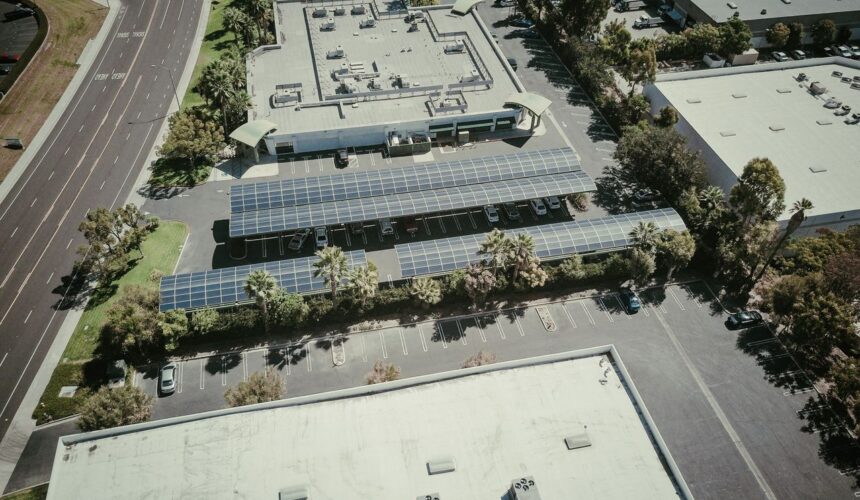
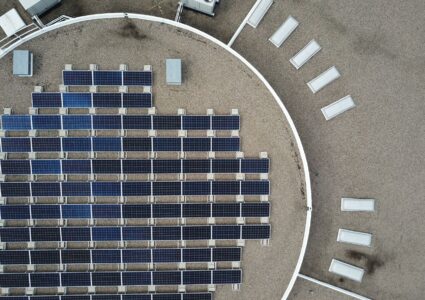
Solar panels generate clean energy on-site. This reduces grid reliance and operating costs. Furthermore, renewable energy supports sustainability goals and enhances resilience.
Energy Modeling
Energy modeling predicts building performance. Design decisions are optimized based on data. Moreover, modeling verifies compliance with energy standards.
Water Conservation Strategies
Water conservation is increasingly important. Several strategies reduce water consumption and preserve resources.
Low-Flow Fixtures
Low-flow faucets, toilets, and showerheads reduce water use. These fixtures maintain performance while saving water. Furthermore, they reduce utility bills.
Rainwater Harvesting
Rainwater collection systems capture and store precipitation. This water is used for irrigation and cooling towers. Consequently, potable water consumption is reduced.
Greywater Recycling
Greywater systems reuse water from sinks and showers. This water is treated and used for non-potable applications. Moreover, greywater recycling reduces wastewater generation.
Native Landscaping
Native plants require less water than traditional landscaping. They are adapted to local conditions. Furthermore, native landscaping supports local ecosystems.
Sustainable Materials
Material selection significantly impacts sustainability. Several strategies reduce environmental impact.
Recycled Content
Materials with recycled content reduce waste and conserve resources. Recycled steel, concrete, and gypsum are common options. Furthermore, recycled materials often perform as well as virgin materials.
Locally Sourced Materials
Local materials reduce transportation emissions. They support local economies. Moreover, local materials are often more readily available.
Rapidly Renewable Materials
Bamboo, cork, and other rapidly renewable materials are sustainable options. They grow quickly and are harvested responsibly. Furthermore, they offer unique aesthetic qualities.
Low-VOC Materials
Low-VOC paints, adhesives, and sealants improve indoor air quality. They reduce health risks for occupants. Moreover, they contribute to green building certifications.
Durable Materials
Durable materials last longer and require less maintenance. This reduces lifecycle costs and waste. Furthermore, durability is a key sustainability principle.
Indoor Environmental Quality
Healthy indoor environments are essential for occupant well-being. Several strategies improve indoor environmental quality.
Natural Daylighting
Daylighting reduces energy consumption and improves occupant comfort. Windows, skylights, and light shelves bring natural light inside. Furthermore, daylighting has been shown to improve productivity.
Improved Ventilation
Ventilation systems provide fresh air and remove pollutants. MERV-13 filters improve air quality. Additionally, demand-controlled ventilation optimizes performance.
Thermal Comfort
Comfortable temperatures improve occupant satisfaction. Proper HVAC design and controls are essential. Furthermore, individual temperature controls enhance comfort.
Acoustic Comfort
Noise reduction improves concentration and well-being. Sound-absorbing materials and proper construction reduce noise. Moreover, acoustic comfort is valued by occupants.
Green Building Certifications
Green building certifications provide third-party verification of sustainability. Several certification systems are widely recognized.
LEED Certification
LEED (Leadership in Energy and Environmental Design) is the most widely recognized certification. Projects earn points across several categories. Certification levels include Certified, Silver, Gold, and Platinum.
ENERGY STAR
ENERGY STAR certification recognizes energy-efficient buildings. Buildings must perform in the top 25% nationally. Furthermore, ENERGY STAR provides benchmarking tools.
Green Globes
Green Globes is an alternative certification system. It is simpler and more flexible than LEED. Moreover, it is gaining recognition in the commercial sector.
WELL Building Standard
WELL focuses on human health and well-being. Air, water, light, and comfort are key categories. Furthermore, WELL certification is increasingly valued by tenants.
The Future of Sustainable Construction
Sustainable construction continues to evolve. Several trends are shaping the future.
Net Zero Energy
Net zero buildings generate as much energy as they consume. This is achieved through efficiency and renewable energy. Furthermore, net zero is becoming more achievable and affordable.
Circular Economy
The circular economy minimizes waste and maximizes resource use. Materials are reused and recycled. Moreover, buildings are designed for deconstruction and reuse.
Embodied Carbon Reduction
Embodied carbon is emissions from material production and construction. Reducing embodied carbon is a growing priority. Furthermore, low-carbon materials and construction methods are increasingly available.
Smart Buildings
Smart buildings use technology to optimize performance. Sensors and controls adjust systems automatically. Moreover, data analytics identify improvement opportunities.
How CLOSW Construction Delivers Sustainable Solutions
CLOSW Construction incorporates sustainability into every project. Our approach delivers environmental, economic, and social benefits.
Integrated Design
Our integrated design-build approach optimizes sustainability. Architects, engineers, and construction professionals collaborate from day one. Consequently, sustainability is integrated into every decision.
High-Performance Systems
We specify energy-efficient HVAC, lighting, and controls. Renewable energy systems are evaluated and incorporated. Furthermore, water conservation strategies are prioritized.
Sustainable Materials
CLOSW Construction uses recycled, local, and low-VOC materials. Durability and lifecycle performance are considered. Moreover, material waste is minimized through careful planning.
Green Building Certifications
Our team has experience with LEED, ENERGY STAR, and other certifications. We guide clients through the certification process. Consequently, projects achieve recognition for sustainability.
Commitment to Innovation
CLOSW Construction stays current with sustainable construction practices. Emerging technologies and methods are evaluated. We deliver projects that meet today’s needs and tomorrow’s demands.
Ready to Build a Sustainable Commercial Facility?
Sustainability is the future of commercial construction. CLOSW Construction delivers sustainable solutions that benefit the environment and your bottom line. Contact us today to learn more.