Retail construction is fundamentally different from other commercial building projects. Success depends on more than just structural integrity and code compliance. Moreover, retail spaces must attract customers, encourage exploration, and ultimately drive sales.
Every design decision impacts the bottom line. Storefront visibility, parking convenience, and interior flow all influence customer behavior. Consequently, thoughtful retail construction delivers measurable returns on investment.
This guide explores the key elements of retail construction that drive sales. From high-visibility storefronts to strategic tenant mix, these principles help retailers and developers maximize their investment.
Why Retail Design Matters
Retail design directly impacts customer behavior and sales. The physical environment influences how customers perceive your brand and whether they make purchases. Furthermore, well-designed spaces encourage longer visits and repeat business.
First Impressions Count
Customers form opinions within seconds of approaching a store. Clean, attractive exteriors draw people in. Conversely, unappealing facades drive customers away.
Customer Experience Drives Loyalty
Positive experiences keep customers coming back. Comfortable layouts, good lighting, and easy navigation create enjoyable shopping experiences. Consequently, loyal customers spend more over time.
Design Influences Spending
Strategic design encourages higher spending. Product placement, traffic flow, and visual merchandising all affect purchase decisions. Consequently, retail construction directly impacts revenue.
High-Visibility Storefronts
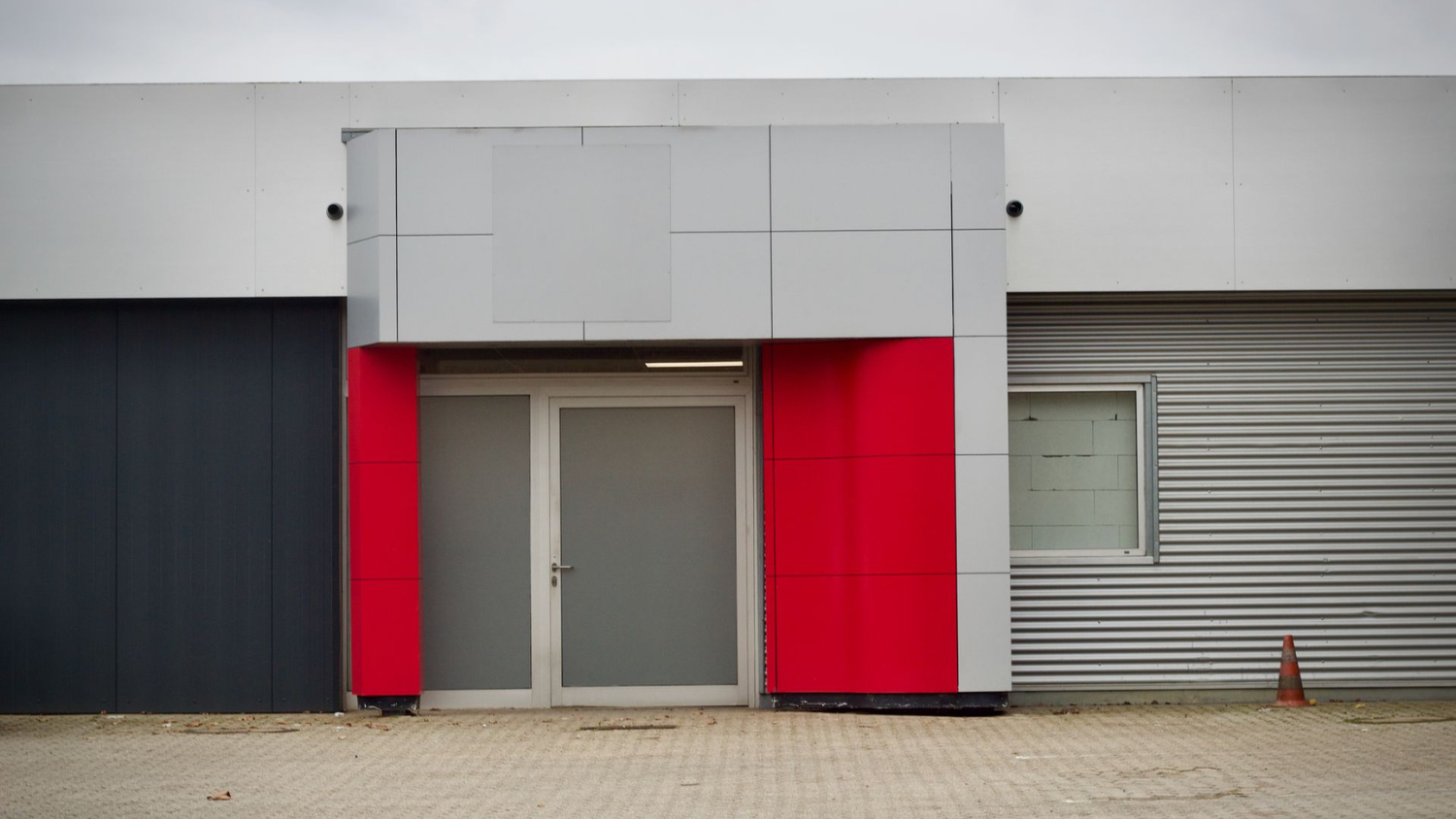
Visibility is essential for retail success. Customers need to see and access your store easily. Furthermore, attractive storefronts draw attention and create positive first impressions.
Glass Facades
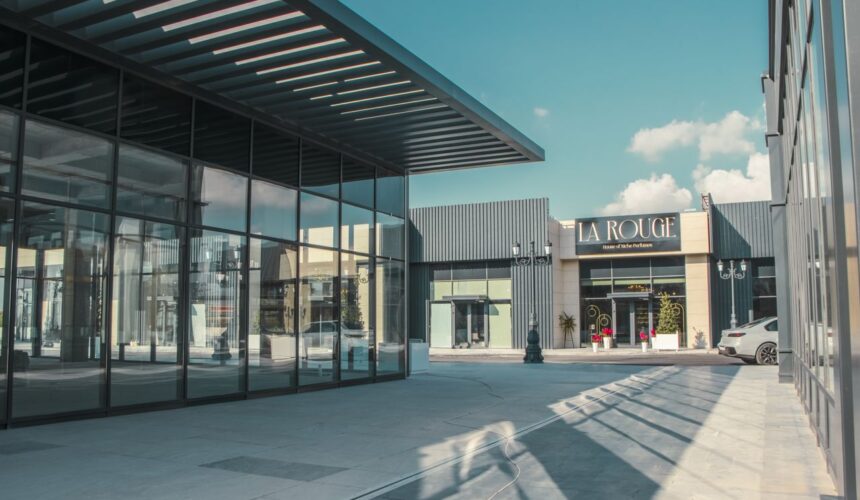
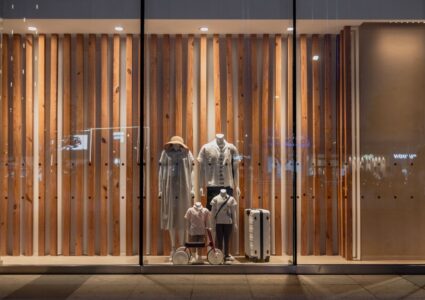
Floor-to-ceiling glass storefronts showcase merchandise and invite customers in. Natural light improves the shopping experience. Moreover, glass facades create a modern, open feel.
Signage and Branding
Effective signage communicates your brand and attracts attention. Signs should be visible from the street and easy to read. Additionally, they should reflect your brand identity.
Exterior Lighting
Proper exterior lighting extends shopping hours and improves safety. Well-lit storefronts attract evening shoppers. Consequently, lighting significantly impacts sales.
Curb Appeal
Attractive landscaping, clean sidewalks, and inviting entrances create positive impressions. Curb appeal draws customers in before they even enter the store. Furthermore, it encourages repeat visits.
Parking and Accessibility
Convenient parking is essential for retail success. Customers who struggle with parking may simply drive elsewhere. Consequently, thoughtful parking design significantly impacts sales.
Adequate Parking Capacity
Zoning regulations typically require minimum parking spaces. However, exceeding minimum requirements often pays off. More parking reduces customer frustration and encourages visits.
Accessible Parking
Accessible parking spaces near entrances accommodate customers with disabilities. Compliance with ADA requirements is essential. Moreover, accessible parking demonstrates commitment to all customers.
Pedestrian Walkways
Safe, well-lit walkways connect parking areas to store entrances. Clear signage and crosswalks guide customers. Furthermore, attractive walkways enhance the shopping experience.
Drop-Off Zones
Designated drop-off zones near entrances accommodate ride-share services and deliveries. These zones improve convenience for customers. Consequently, they reduce congestion and frustration.
Tenant Mix and Layout
Tenant mix is critical for multi-tenant retail centers. The right combination of stores attracts more customers and encourages longer visits. Furthermore, complementary tenants benefit from shared traffic.
Anchor Stores
Anchor stores draw significant traffic to retail centers. National retailers and grocery stores are common anchors. Consequently, they benefit smaller tenants through shared foot traffic.
Complementary Tenants
Retail centers should include complementary businesses. For example, clothing stores benefit from nearby restaurants and coffee shops. This encourages customers to visit multiple stores.
Flexible Spaces
Flexible spaces accommodate different tenant needs. Adjustable storefronts and interior layouts allow for changing tenants. Consequently, occupancy rates remain high over time.
Common Areas
Common areas improve the customer experience. Seating areas, landscaping, and pedestrian walkways encourage exploration. Furthermore, they create a sense of community.
Interior Design and Customer Flow
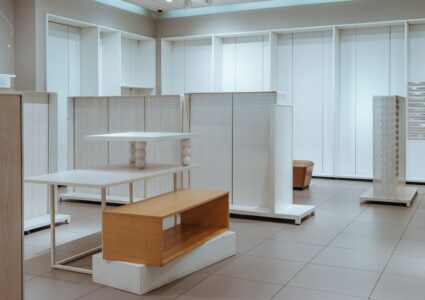
Interior design significantly impacts the shopping experience. Thoughtful layouts guide customers through the store and encourage exploration. Consequently, customers are more likely to make purchases.
Traffic Flow
Wide aisles and clear pathways improve navigation. Customers should move easily through the store. Furthermore, strategic product placement encourages purchases.
Lighting
Proper lighting enhances products and creates atmosphere. Bright lighting works well for discount retailers. Conversely, warm lighting suits luxury boutiques.
Visual Merchandising
Attractive displays draw attention to products. Strategic placement encourages impulse purchases. Additionally, seasonal displays keep stores fresh and interesting.
Fitting Rooms and Checkout
Fitting rooms and checkout areas affect customer satisfaction. Comfortable, well-lit fitting rooms encourage purchases. Furthermore, efficient checkout reduces wait times and frustration.
Technology Integration
Modern retail incorporates technology throughout the store. Technology enhances customer experience, improves operations, and drives sales. Moreover, tech-savvy retailers attract younger demographics.
Digital Signage
Digital signs display promotions, wayfinding, and brand content. They can be updated quickly and inexpensively. Consequently, digital signage improves communication with customers.
Wi-Fi and Connectivity
Free Wi-Fi improves customer experience and enables mobile engagement. Customers can access store apps, compare products, and share experiences. Furthermore, connectivity supports digital payment systems.
Smart Fitting Rooms
Smart fitting rooms allow customers to request different sizes or colors without leaving the room. This improves convenience and encourages purchases. Consequently, sales increase.
Inventory Systems
Integrated inventory systems track stock in real-time. This reduces out-of-stock situations and improves customer service. Additionally, it supports online order fulfillment.
How CLOSW Construction Delivers Retail Excellence
CLOSW Construction has extensive experience with retail construction. Our portfolio includes Lakeside Retail Commons and Clearwater Promenade. Furthermore, we understand the unique requirements of retail development.
Expert Design-Build Services
Our integrated design-build approach streamlines retail construction. Coordination between design and construction reduces delays. Consequently, projects are completed faster.
Proven Track Record
CLOSW Construction has delivered successful retail projects. Our facilities attract strong tenant interest and drive foot traffic. Moreover, our clients return to us for future projects.
Transparent Communication
We provide regular updates and clear reporting throughout construction. You always know where your project stands. Consequently, you can make informed decisions with confidence.
Commitment to Quality
Quality is non-negotiable at CLOSW Construction. Every detail matters and every project meets our high standards. Your retail space will be built to last and designed to perform.
Ready to Build Your Retail Space?
Retail construction requires specialized expertise. CLOSW Construction delivers retail spaces that attract customers and drive sales. Furthermore, our integrated approach saves time and reduces costs.
Contact us today for a free, no-obligation consultation. Let us help you design and build a retail space that delivers results.