Safety is not just a regulatory requirement. It is a fundamental responsibility that protects workers, clients, and the public. Furthermore, a strong safety culture delivers significant business benefits.
Construction sites present numerous hazards. Falls, equipment accidents, and electrical dangers are common risks. Consequently, proactive safety measures are essential for every project.
This guide explains why safety matters, what a strong safety program includes, and how CLOSW Construction prioritizes safety on every job site.
What Is Commercial Construction Safety?
Commercial construction safety encompasses all policies, procedures, and practices that protect workers and the public. It includes training, equipment, inspections, and emergency preparedness. Moreover, it requires commitment from every team member.
Safety is not a one-time effort. It requires continuous attention and improvement. Furthermore, it demands leadership commitment and worker engagement.
The True Cost of Unsafe Job Sites
Unsafe job sites carry significant costs. These costs extend beyond injuries and include financial, operational, and reputational impacts.
Human Cost
Injuries cause pain and suffering for workers and their families. Serious accidents can change lives forever. Moreover, workplace fatalities leave lasting emotional impacts.
Financial Cost
Injuries increase insurance premiums and workers’ compensation costs. OSHA fines can be substantial for serious violations. Furthermore, accidents cause project delays and increased labor costs.
Reputational Cost
Safety incidents damage company reputations. Clients may question your competence and commitment. Consequently, future business opportunities can be lost.
Operational Cost
Accidents disrupt work and cause delays. Investigations and paperwork consume valuable time. Furthermore, lost productivity impacts project timelines and profitability.
Key Components of a Strong Safety Program
Effective safety programs include several essential components. Each element contributes to a comprehensive approach that protects workers and projects.
1. Leadership Commitment
Leadership must demonstrate genuine commitment to safety. This means allocating resources, setting expectations, and leading by example. Furthermore, leaders should communicate safety as a core value.
2. Worker Training
Training ensures workers understand hazards and proper procedures. Regular safety training sessions are essential. Additionally, specialized training addresses specific risks.
3. Personal Protective Equipment (PPE)
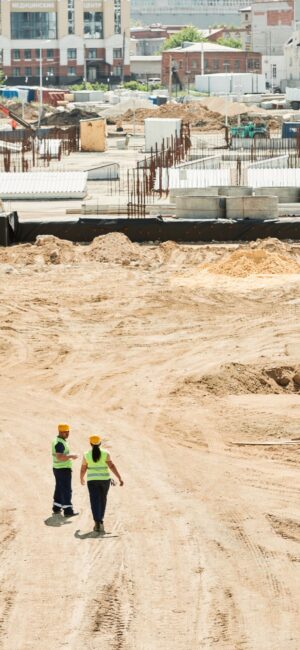
PPE protects workers from injuries. Hard hats, safety glasses, gloves, and vests are essential. Furthermore, proper equipment must be maintained and replaced when worn.
4. Site Inspections
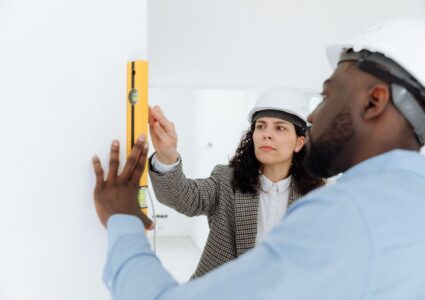
Regular inspections identify hazards before they cause accidents. Inspections should be documented and followed up. Additionally, corrective actions must be implemented promptly.
5. Emergency Preparedness
Emergency plans protect workers and minimize impacts. First aid kits, fire extinguishers, and evacuation routes are essential. Furthermore, workers should be trained in emergency procedures.
6. Incident Investigation
Incident investigations identify root causes and prevent recurrence. Accidents should be investigated thoroughly and objectively. Moreover, lessons learned should be shared with all workers.
7. Continuous Improvement
Safety programs must evolve to address new challenges. Regular reviews identify areas for improvement. Additionally, worker feedback is essential for program effectiveness.
OSHA Compliance and Beyond
OSHA sets minimum safety standards for construction sites. Compliance is legally required and protects workers. However, the best contractors go beyond minimum requirements.
OSHA Standards
OSHA standards cover fall protection, scaffolding, electrical safety, and more. Employers must comply with all applicable standards. Furthermore, OSHA conducts inspections and enforces compliance.
Going Beyond Compliance
CLOSW Construction exceeds OSHA requirements. Our safety program includes additional training, inspections, and protective measures. Consequently, our EMR rating remains well below the industry average.
Safety Certifications
Safety certifications demonstrate commitment to excellence. OSHA 30-hour certifications are common for supervisors. Additionally, specialized certifications address specific risks and industries.
Common Construction Hazards
Understanding common hazards helps workers stay safe. Awareness and training are essential for preventing accidents.
Fall Hazards
Falls are the leading cause of construction fatalities. Scaffolding, ladders, and roofs present fall risks. Furthermore, unprotected edges and openings are dangerous.
Electrocution Hazards
Power lines, electrical panels, and equipment present electrocution risks. Proper lockout/tagout procedures are essential. Additionally, maintaining safe distances from power lines protects workers.
Struck-By Hazards
Workers can be struck by vehicles, equipment, or falling objects. Hard hats and high-visibility vests provide protection. Moreover, traffic control measures protect workers in roadways.
Caught-In/Between Hazards
Workers can be caught in or between equipment and structures. Trench collapses and equipment rollovers are common risks. Consequently, proper shoring and equipment operation are essential.
Hazardous Materials
Asbestos, lead, and chemicals present health risks. Proper handling and protective measures are essential. Furthermore, workers must be trained in hazardous materials safety.
How CLOSW Construction Prioritizes Safety
CLOSW Construction maintains a safety-first culture across all projects. Our commitment to safety is absolute and unwavering. Furthermore, we invest in training, equipment, and continuous improvement.
Safety-First Culture
Safety is non-negotiable at CLOSW Construction. Every team member has the authority to stop unsafe work. Moreover, safety is integrated into every project phase.
Rigorous Training
All workers receive comprehensive safety training. Regular sessions reinforce key concepts and introduce new requirements. Additionally, supervisors receive advanced training and certifications.
Regular Inspections
Our team conducts regular site inspections and audits. Hazards are identified and corrected promptly. Furthermore, we document all inspections and corrective actions.
Incident Prevention
We focus on preventing accidents before they occur. Root cause analysis identifies underlying issues. Consequently, we implement corrective actions to prevent recurrence.
Proven Record
CLOSW Construction maintains an excellent safety record. Our EMR rating is well below the industry average. Furthermore, many of our projects achieve zero lost-time incidents.
Safety Benefits Beyond Compliance
Strong safety programs deliver benefits beyond compliance. These advantages impact every aspect of your business.
| Benefit | How Safety Delivers |
|---|---|
| Lower insurance costs | Fewer claims reduce premiums |
| Improved productivity | Fewer disruptions keep projects on schedule |
| Better employee morale | Workers feel valued and protected |
| Stronger client relationships | Clients trust safe contractors |
| Reduced legal liability | Fewer incidents mean fewer lawsuits |
| Enhanced reputation | Safety leadership builds brand value |

Frequently Asked Questions About Construction Safety
What is an EMR rating?
EMR stands for Experience Modification Rate. Insurance companies use EMR to calculate workers’ compensation premiums. A lower EMR rating indicates a better safety record.
What does OSHA stand for?
OSHA stands for the Occupational Safety and Health Administration. This federal agency sets and enforces safety standards for workplaces.
What is a safety culture?
Safety culture is the shared values, attitudes, and behaviors related to safety. A strong safety culture prioritizes safety in all decisions and actions.
What is PPE?
PPE stands for Personal Protective Equipment. Hard hats, safety glasses, gloves, and vests are common examples.
Ready to Start Your Project with Safety First?
Safety is non-negotiable at CLOSW Construction. Our safety-first culture protects workers, clients, and projects. Furthermore, our excellent safety record gives clients peace of mind.
Contact us today for a free, no-obligation consultation. Let us show you how safety and quality go hand in hand.